
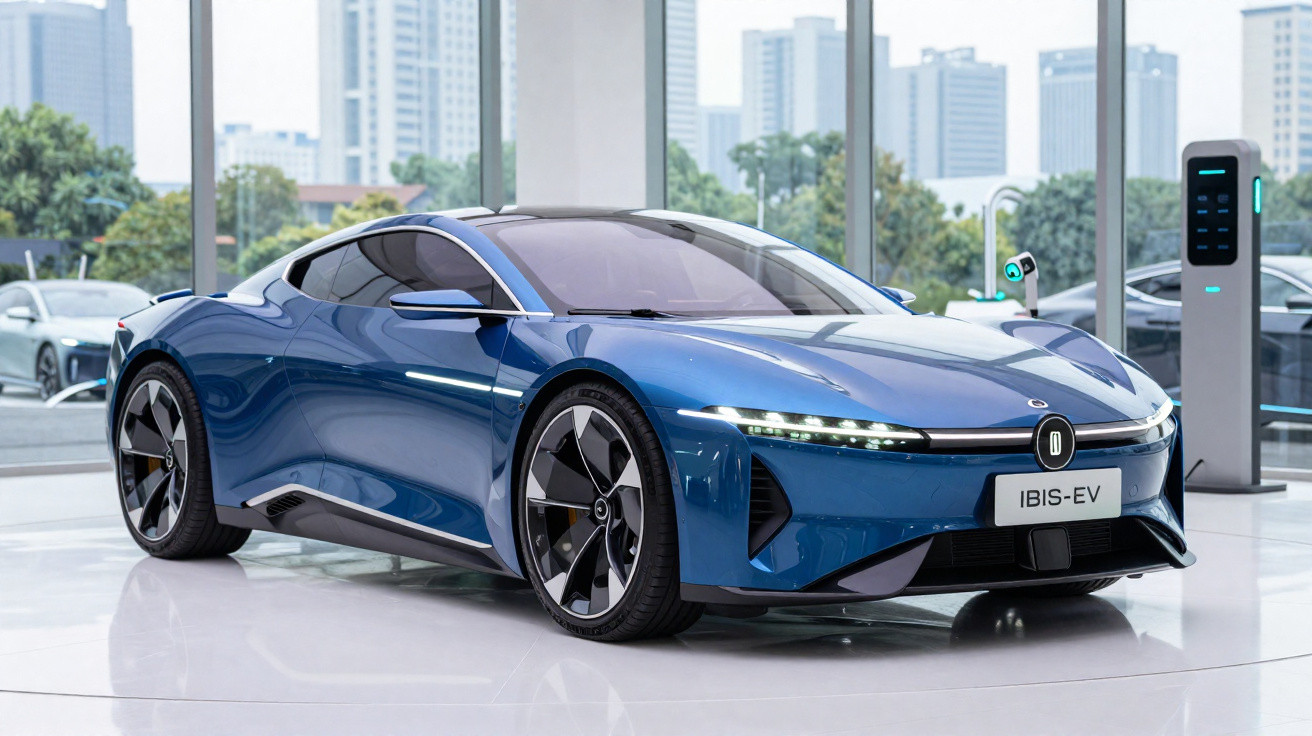
Developed since 2022, Stellantis has unveiled a prototype in Paris featuring a new generation of batteries that promises to transform the way fully electric vehicles are designed.
Known as IBIS (Intelligent Battery Integrated System), it incorporates into the energy-storage system itself functions that have, until now, been handled by separate components, including the inverter and charger.
IBIS technology tested in the Peugeot E-3008
The latest-generation Peugeot E-3008, which is already on the road, has been used as the development platform for this technology and is undergoing dynamic testing. Stellantis says the system not only improves the efficiency of the entire setup, but also saves weight and space. It also reduces charging times.
What are the advantages?
According to Stellantis, IBIS is up to 10% more efficient than a conventional electric vehicle with a battery of the same size. Integrating the components into the system also cuts the vehicle’s total weight by around 40 kg and reduces the time needed to charge the battery by 15%.
This development could address two of the main barriers that still restrict the widespread adoption of fully electric vehicles: price and charging speed. By simplifying the architecture, the new system is cheaper to manufacture while also improving the user experience.
IBIS could reach production vehicles by the end of the decade
IBIS is the result of a collaboration between the French group and Saft, a TotalEnergies subsidiary. It is now in its second phase of real-world testing, which could pave the way for its use in production vehicles by the end of the decade.
According to Ned Curic, Stellantis’ Director of Engineering and Technology, “this project reflects our belief that simplification is innovation”, adding that the technology could help reduce the final price of electric vehicles.
With testing already under way, the new system represents a decisive step in the development of electrification, not only for the automotive sector but also for mobile and stationary energy applications.






Comments
No comments yet. Be the first to comment!
Leave a Comment