
- ADD US TO YOUR FAVOURITES ON GOOGLE
Why add us? Get the latest updates from Zona Militar in your Google feed.
MQ-25 Stingray embarks aboard USS Nimitz for FLEETEX 250
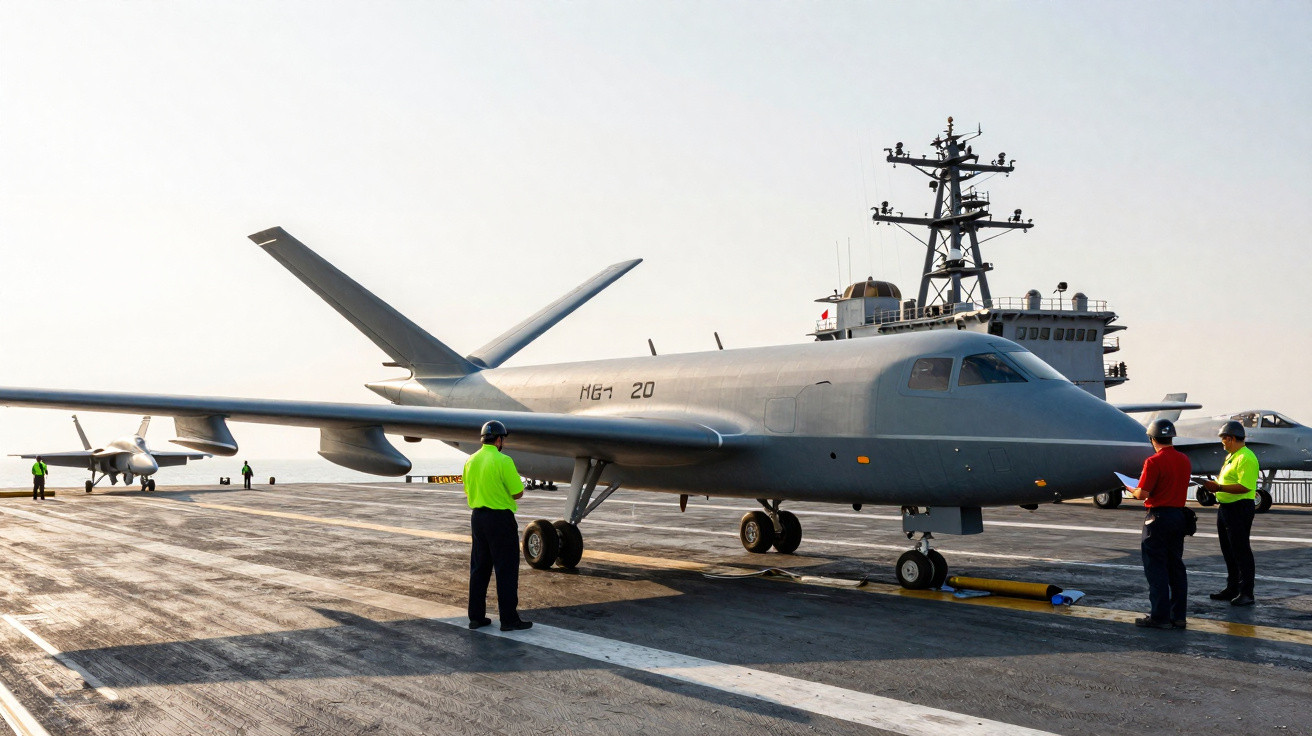
In what offers a small indication of what lies ahead, the U.S. Navy has revealed that it embarked the new MQ-25 Stingray aerial refuelling drone aboard the nuclear-powered aircraft carrier USS Nimitz. The move comes amid celebrations marking the 250th anniversary of the Declaration of Independence. As shown in images released by the service, the carrier is part of the fleet deployed for the FLEETEX 250 exercise, while the unmanned system is operating alongside an embarked air wing that also includes F/A-18E Super Hornet fighters and C-2 Greyhound aircraft.
Providing further detail, manufacturer Boeing reported that the aircraft is the MQ-25 Stingray T1 prototype, which first flew in 2019. Although its duties during the exercise have not been specified, FLEETEX is an opportunity for the U.S. Navy to strengthen cohesion among a substantial range of naval and air assets, as well as to validate procedures and tactics for operating alongside allied nations. Thirteen countries are taking part in this edition.
The images released so far also show that the MQ-25 Stingray drone has received an all-grey paint scheme, including a special logo for the aforementioned 250th anniversary of the U.S. Declaration of Independence. It can therefore be distinguished from the aircraft displayed during the 2021 trials conducted on the flight deck of USS George W. Bush, which featured orange details.
Boeing MQ-25 Stingray production and delivery progress
Beyond its involvement in FLEETEX 250, Boeing's MQ-25 Stingray received the relevant approval in May to begin low-rate initial production, marking an important milestone towards its future introduction into U.S. Navy service. As we reported at the time, the service anticipated that the first batch of unmanned systems would comprise three aircraft. It would then have options to procure a second batch of three more, before the initial production phase was completed with a further five examples.
Earlier still, specifically in February this year, MQ-25 Stingray aircraft completed a series of ground tests validating their ability to carry out autonomous manoeuvres at low speeds. These taxi trials also represented an important step towards enabling Boeing to bring delivery schedules back on track following significant delays, which were at the time attributed to Lockheed Martin's delays in completing the command software.
Finally, the arrival of these new drones has become a major priority for the U.S. Navy, as they will allow F/A-18 fighters fitted with additional fuel tanks, currently used for aerial refuelling missions, to be relieved of that task. Those aircraft could consequently be used in the role for which they were actually designed, while their pilots would no longer be committed to such deployments. Over the medium term, the service expects to acquire around 76 MQ-25 drones for this purpose, contributing to its long-term strategy of fielding up to 60% drones in its embarked air wings.
Image credits: U.S. Navy





Comments
No comments yet. Be the first to comment!
Leave a Comment